
Protecting hearing from factory floors to fishing communities
Paul Kempster understands how closely hearing is connected to the experiences people love most. For him, some of life’s best moments are tied to the sounds of birds singing in the early morning, waves moving across St. Margarets Bay, and conversations shared at work sites throughout Nova Scotia.
As an avid birdwatcher and sailor, Paul doesn’t take those sounds for granted. After more than 35 years with Hearing & Speech Nova Scotia (HSNS), he’s spent much of his career helping Nova Scotians protect their hearing before damage occurs.
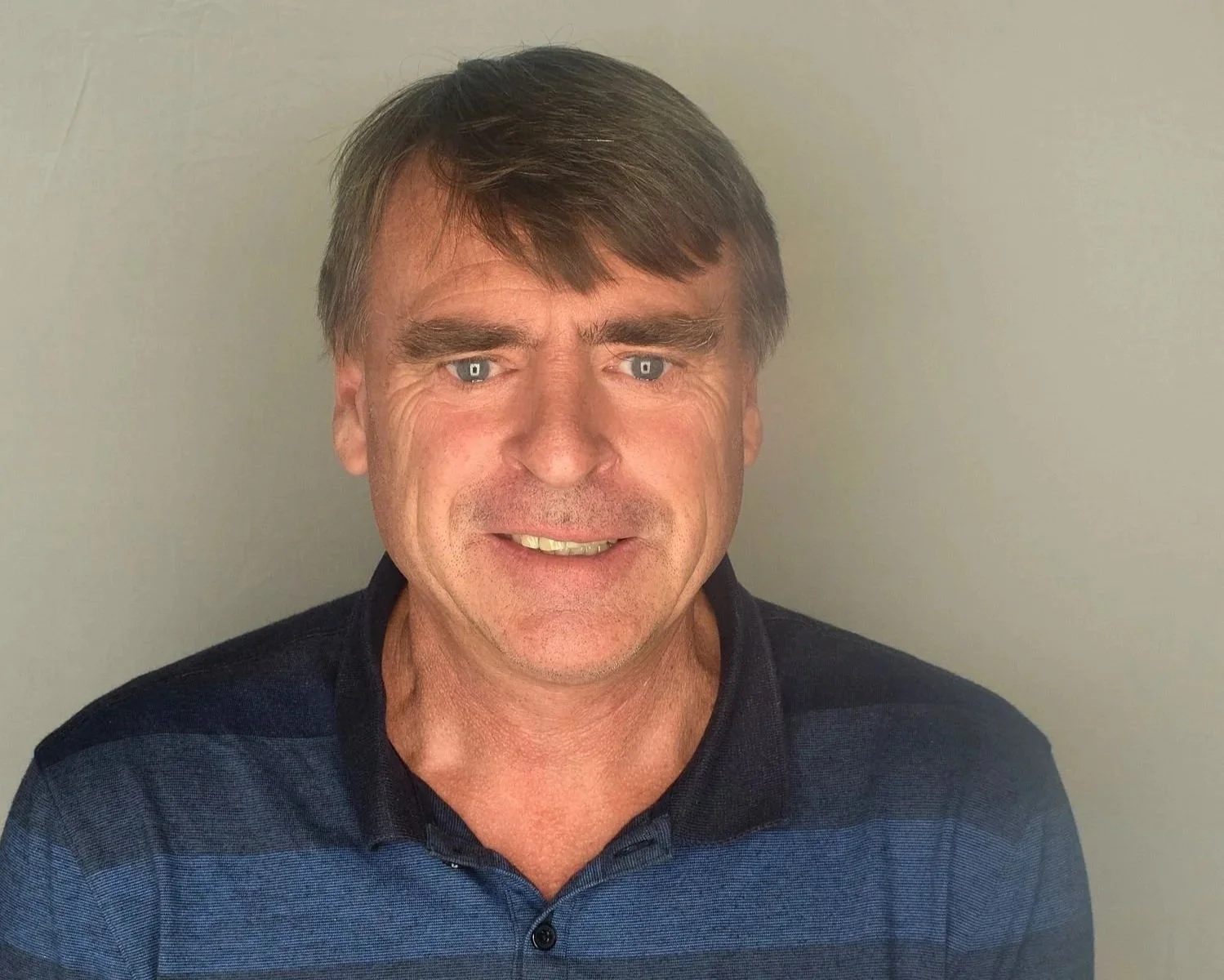
Since joining HSNS in 1991, Paul has been part of the Industrial & Community Audiology program, which partners with workplaces and organizations across the province to provide hearing conservation and prevention services.
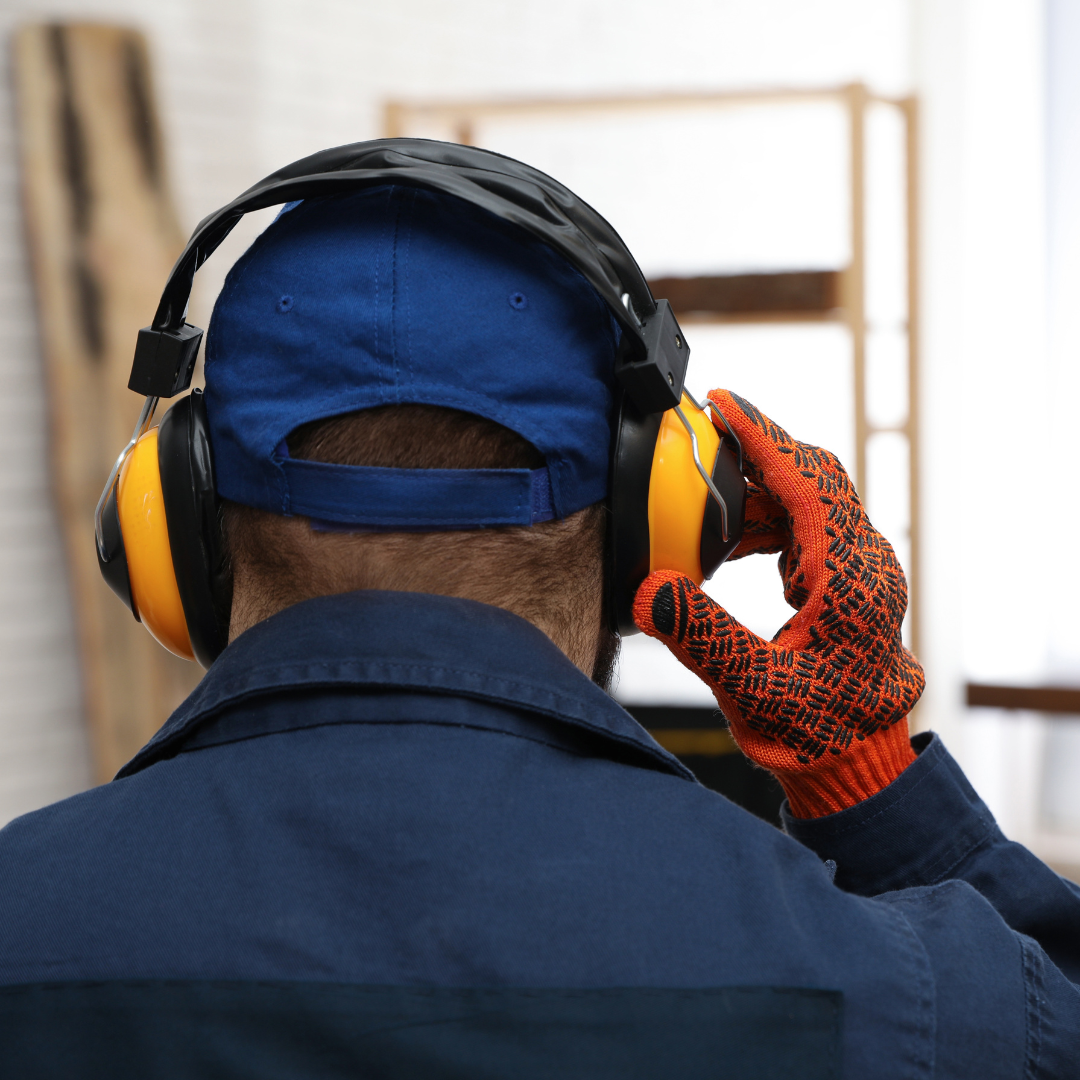
The program offers on-site hearing testing, noise level assessments, and hearing protection support for a wide range of industries, including fisheries, manufacturing, sports venues, transportation, construction, natural resources, and more.
Over the course of his career, Paul estimates he’s tested more than 16,000 Nova Scotians and completed roughly 57,000 hearing tests travelling to workplaces and communities across Nova Scotia.
“I feel like I’ve made a difference in people’s lives over the years,” says Paul. “I’ve had numerous people come to me on their last hearing test before retirement and say, ‘If you hadn’t done this, I probably wouldn’t still have my hearing.’”
Noise-induced hearing loss remains one of the most common workplace injuries in Canada. Because hearing damage often happens gradually and without pain, it can go unnoticed until hearing loss has already occurred.
“Sometimes people are surprised by how much their hearing has changed,” says Paul. “That’s why regular testing and protection are so important.”
One visit that stayed with him brought him to Pleasant Bay, where he was conducting hearing tests for local fishers in northern Cape Breton. Before long, word spread through the community.
“People started asking if they could bring their mother or grandmother over for a hearing test while I was there,” says Paul. “You could tell access to those services wasn’t always easy.”
After the clinic wrapped up, local fishers invited Paul out whale watching, where he spotted minke whales off the coast, a memorable end to the visit.
The experience reinforced something he’s seen throughout his career: people in rural and remote communities often face additional barriers when accessing hearing care. It’s one of the reasons HSNS continues exploring new ways to improve access to services, including community partnerships, virtual care, and remote audiology initiatives.
Alongside the lasting relationships he’s built with clients, Paul also supports audiologists across HSNS by maintaining and troubleshooting hearing equipment used throughout the organization.
Even after 35 years, Paul says the work continues to keep him curious. Whether he’s aboard a vessel on the job or out sailing with his wife, he still finds himself listening closely to the world around him.